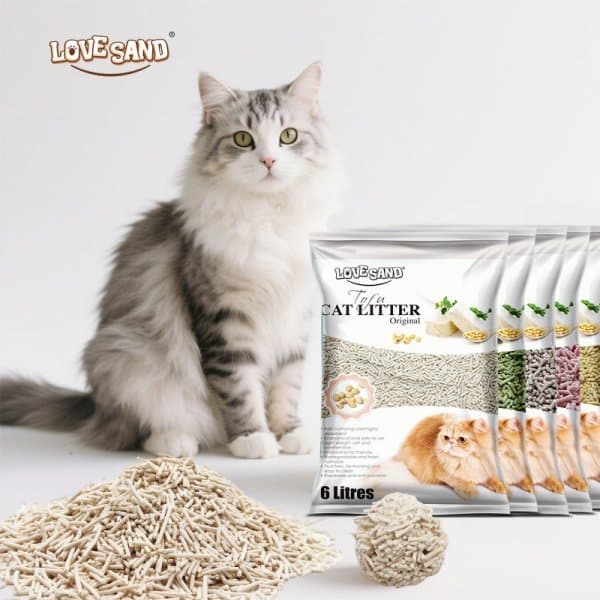
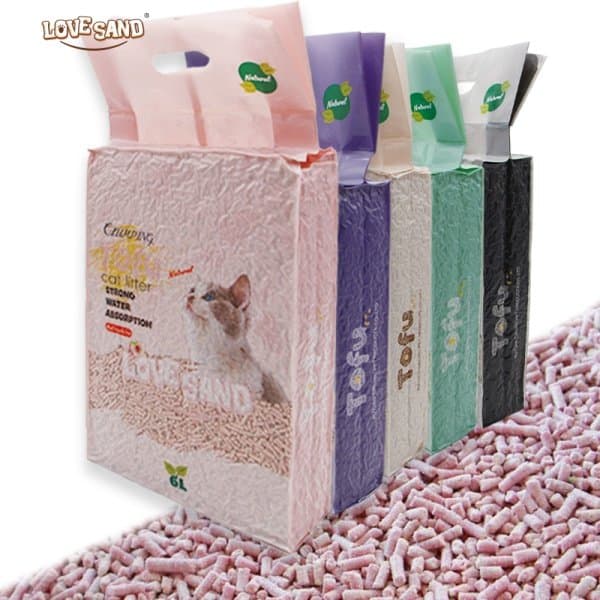
Start with the route to your customer
Begin with a concrete scenario: a shop that displays bags upright, an online seller that packs individual orders, or a distributor that delivers unopened cartons. Note how the bag will be stored, handled and presented in that channel. The most useful packaging choice is the one that can be checked against these everyday tasks.
Keep the product configuration consistent while comparing formats. Ask for the same confirmed material, fragrance and declared pack content wherever possible. Otherwise, a change in the litter itself can be mistaken for a benefit of the packaging. Neither a tighter-looking bag nor a larger-looking bag establishes better clumping or absorption.
Compare the pack, not just the name
| Decision point | Vacuum format: ask to confirm | Non-vacuum format: ask to confirm |
|---|---|---|
| Retail presentation | Filled dimensions and the appearance of the packed unit | Filled dimensions and how the bag sits on the shelf |
| Seal inspection | Approved packed appearance and how to identify a seal issue | Seal finish and how to identify a damaged bag |
| Opening experience | Opening method and pellet condition after opening | Opening method and pellet condition after opening |
| Case packing | Final bags per carton and outside carton dimensions | Final bags per carton and outside carton dimensions |
| Private label | Artwork placement on a filled sample | Artwork placement on a filled sample |
Love Sand lists soy fiber and an 8 L standard pack for its tofu litter, with other sizes discussed on request. A packaging format alone does not establish shelf life, moisture resistance or a freight saving; confirm any such claim separately.

Open and inspect a representative sample
Ask for a sample that represents the proposed retail configuration, not only loose litter in a plain sample bag. Agree on the reference before evaluation and photograph it on arrival. The following checks create a practical record for the discussion; they are not a substitute for an agreed transport or packaging test.
- Check the unopened bag: record its dimensions, label readability, seal condition and any visible puncture or damage.
- Open it as a customer would: note whether the opening instructions are clear and inspect the pellets inside.
- Compare handling under the same conditions: use the same pouring routine and record visible fines instead of assigning an unsupported dust percentage.
- Retain the reference: identify the sample, pack format, fragrance and date so the quotation and later checks refer to the same item.
If a sample arrives damaged or looks different from the agreed reference, share photographs with the team before drawing a conclusion about the entire product format. Agree on the follow-up inspection and the acceptance criteria for the order.
Connect the retail bag with the shipping carton
Once the retail bag is selected, confirm the outside carton, bags per carton, case markings and any pallet requirements as one configuration. Ask for the final packed dimensions and loading plan before estimating logistics costs. Do not calculate a guaranteed container quantity from an empty-bag size or a product photo.
For Arabic or bilingual artwork, review the design on a filled sample. Look at the product name, declared content and instructions from the same distance a customer would use on a shelf. Keep space for the confirmed product information and traceability markings, and have the destination importer review the final wording.
Treat OEM packaging approval and product approval as connected decisions. Your approved artwork should identify the actual tofu litter SKU and fragrance. Request written confirmation of any changes to the bag, carton or product before production, so the retail presentation and shipping brief stay aligned.
Discuss an OEM / ODM projectCompare your shortlist
Prepare a tofu litter packaging inquiry
Send Love Sand your destination country and port or city, retail channel, preferred vacuum or non-vacuum format, fragrance, requested pack content and expected quantity. Add your branding direction and any parcel or carton constraints. With a clearly identified sample and packing brief, the team can confirm available options and prepare a quotation around your distribution plan.
Discuss products and samples