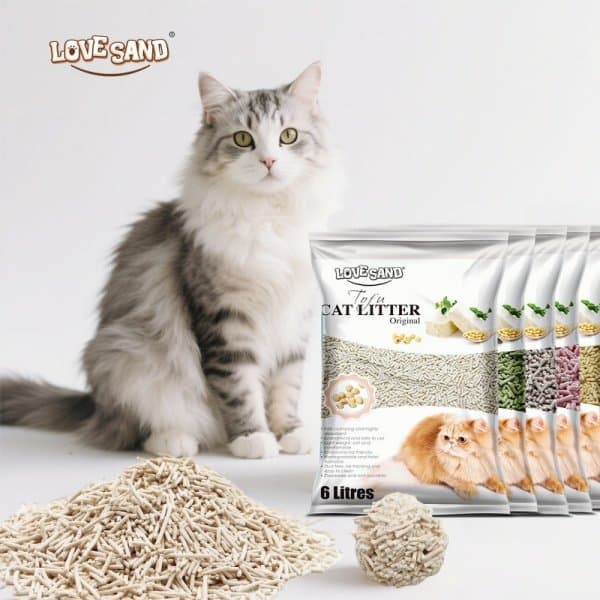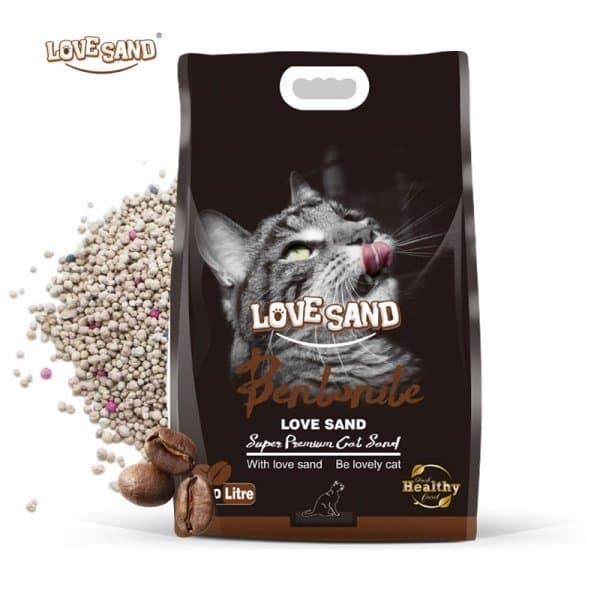
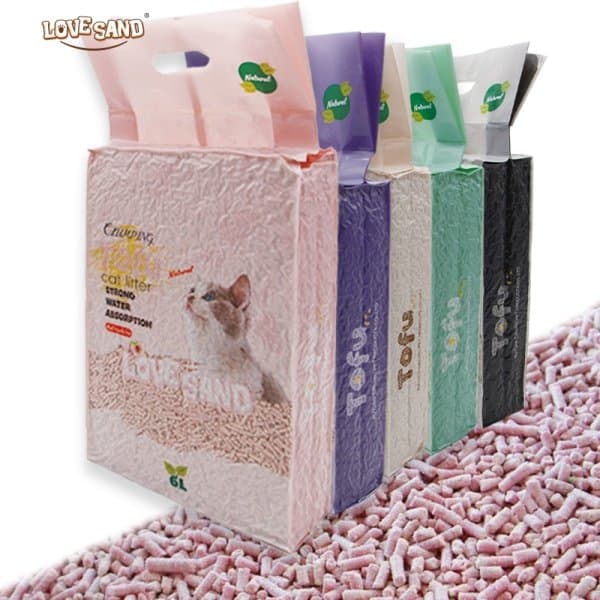
Start with the role on the shelf
Define the sales channel first: independent pet shops, a retail chain or an online assortment. Record the intended pack size, shelf price position and whether the range will carry Love Sand or your own brand. These choices make the sample request more specific.
A two-product shortlist can give buyers a plant-fiber pellet option alongside a mineral granule option. This is a planning example, not a claim about consumer preference across the Gulf. Your own customer feedback and sample results should decide which product earns a place in the range.
Compare the published product formats
| Selection point | Tofu cat litter | Bentonite cat litter |
|---|---|---|
| Base material | Soy fiber | Sodium bentonite |
| Granule format | Pellets: 1.5 mm diameter, 1–3 cm length | Spherical or crushed granules: 1–4 mm |
| Listed standard retail pack | 8 L; other sizes on request | 10 L / 8 kg |
| Fragrance examples | Original, green tea, peach, lavender | Original, lemon, lavender, rose |
| Private-label discussion | Approved artwork, fragrance and pack format | Approved artwork, fragrance and granule options |
These are product-page starting points. Confirm the exact specification, available options, order quantity and packing with the sales team. Absorption or dust figures should only be compared when the test method and conditions are aligned.
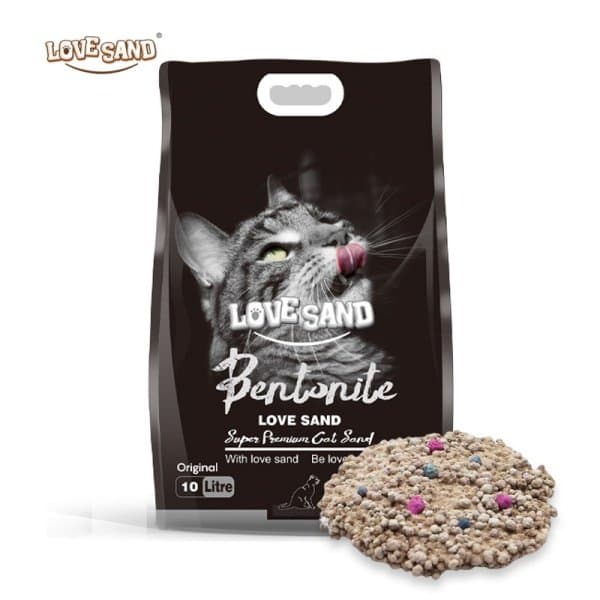
Evaluate both samples on the same basis
Request clearly identified samples of the exact fragrance and granule configuration under consideration. Use the same tray, litter depth, measured liquid volume and observation intervals for each evaluation, and record the conditions so a later batch can be checked consistently.
- Record clump formation and removal: does the clump remain intact during the same scooping routine?
- Observe visible dust during pouring and scooping. A visual check is not a substitute for a defined laboratory dust test.
- Compare fragrance strength and granules carried outside the tray under the same handling conditions.
- Inspect the sample bag seal, label readability and outer packing. Share storage and transit conditions with the team before confirming the shipping pack.
Keep a written sample reference and agree on what will be checked before bulk production. Follow local waste-disposal guidance; this comparison does not recommend flushing either product.
Prepare an Arabic or bilingual pack
For OEM, begin with an established product configuration and apply your approved brand artwork and retail presentation. For ODM, discuss a different product direction, granules, fragrance or positioning; availability and feasibility need sample confirmation.
Prepare an Arabic or bilingual artwork brief with the product name, confirmed material and pack content, usage and storage instructions, barcode position and importer contact details. Ask your local importer to review the wording and destination requirements before approving print. Do not copy a claim from another market without checking it.
Approve the front and back artwork together with the physical bag format. A small product image on a sales sheet cannot confirm text legibility, sealing or how the carton will fit your distribution process.
Discuss an OEM / ODM projectCompare your shortlist
Turn your shortlist into an inquiry
Send your destination country and port or city, sales channel, selected product, fragrance, pack size, expected quantity and sample priorities. State whether you need Love Sand packaging or your own brand. The export team can then confirm the sample step and quotation basis around your actual project.
Discuss products and samples