Identify the mineral product you are evaluating
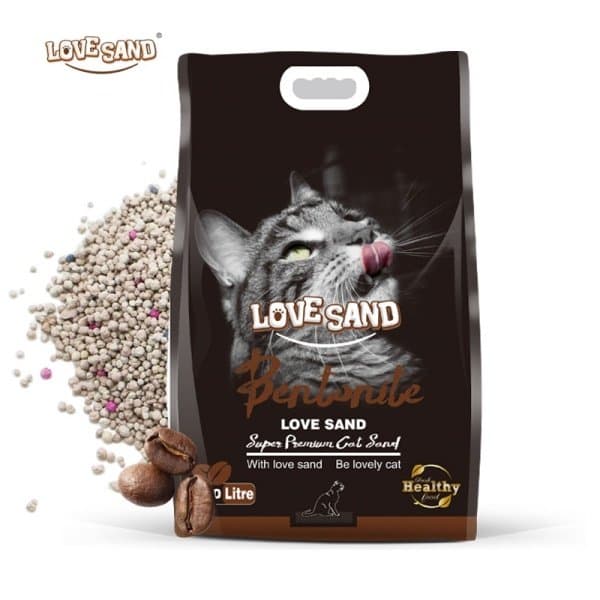
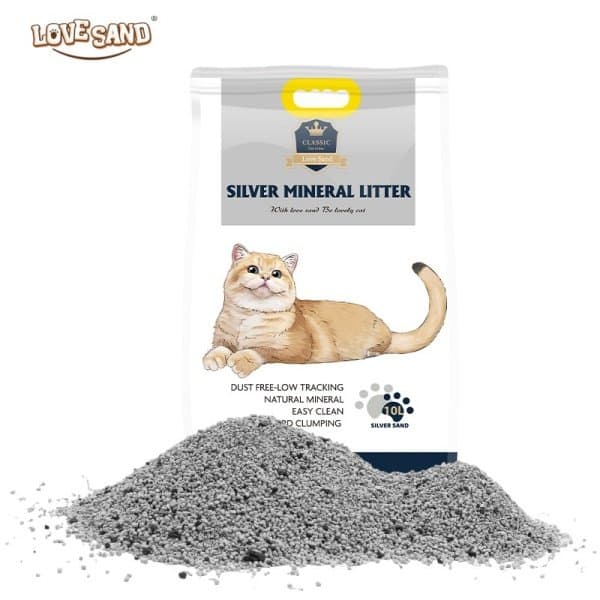
The published product uses natural sodium mineral sand with 1% carbon particles. Its listed granule range is 0.8–2 mm, and the retail format is 10 L / 8 kg, with bag or bucket packaging offered for discussion. Confirm the exact configuration being sampled rather than assuming all mineral products in a catalogue are interchangeable.
Treat “low dust” as a product positioning that still needs evaluation. It does not mean zero dust, and this guide makes no health or allergy claim. Existing pack artwork may use different wording; agree on claims that can be supported for the product and test conditions before approving your own label.
Read each specification alongside a sample question
| Selection point | Published starting point | Question to resolve |
|---|---|---|
| Material | Natural sodium mineral sand | Does the sample match the agreed material and product reference? |
| Carbon particles | 1% | What method and conditions support any proposed odour-control claim? |
| Granule size | 0.8–2 mm | How do these granules pour and carry outside your test tray? |
| Water absorption | At least 400% | What test method, timing and calculation produced this figure? |
| Retail presentation | 10 L / 8 kg; bag or bucket | Which pack configuration, closure and outer packing will be quoted? |
These values come from the published product specification and are starting points for confirmation. They are not results from an independent test conducted for this article. Do not rank products by absorption percentages unless the test method and conditions are comparable.
Use a repeatable sample routine
Agree on the sample reference, fragrance configuration and packaging before testing. The published fragrance option is Original; ask the team to clarify the exact configuration if fragrance strength matters to your assortment. Record the following observations using the same tray and handling routine each time.
- Pour a measured quantity from a consistent height and observe visible dust under the same lighting. This visual observation does not replace a defined laboratory dust test.
- Keep litter depth, liquid volume, waiting time and scooping method consistent when assessing clump formation and removal.
- Record granules carried beyond the tray during the same handling routine. Granule size alone does not establish how much tracking will occur.
- Assess fragrance and odour separately under recorded conditions. The presence of carbon does not by itself establish a numerical odour-removal result.
Keep the written observations with the approved sample reference. If you need a measurable dust, absorption or odour target, agree on a test protocol and acceptance criteria with the supplier. Follow destination waste-disposal guidance; do not infer flushability from this product description.
Check the bag as well as the granules
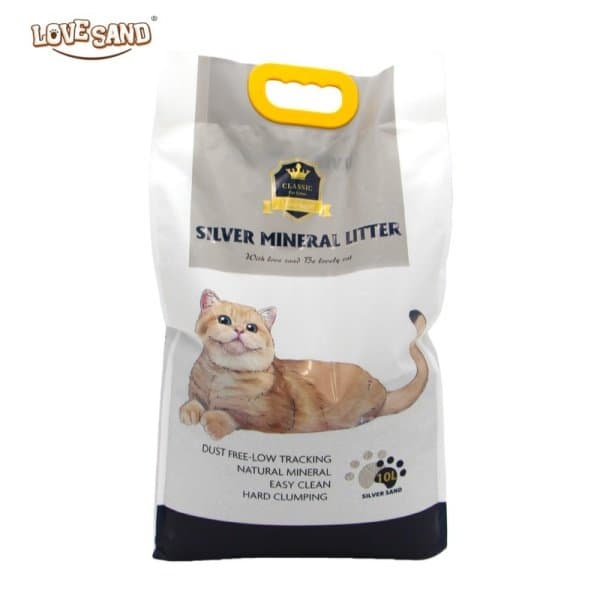
Check the proposed retail bag or bucket for practical handling: closure, label readability and the agreed fill quantity. Ask which physical packaging proof is available. If you plan to sell online, discuss the additional protection needed in your own parcel-packing process rather than assuming the retail bag is a delivery carton.
For Arabic or bilingual artwork, keep the product name, confirmed material, pack content and usage instructions consistent with the approved specification. Have your destination importer review the wording before printing. OEM and private-label options can be discussed, while availability, order quantity and production timing require quotation confirmation.
Share your storage and transit conditions with the sales team and confirm the outer-pack configuration before reviewing freight. Avoid assuming that a sample stored in one environment proves performance throughout a different shipping route or warehouse setting.
Discuss an OEM / ODM projectCompare your shortlist
Prepare a product-specific sample inquiry
Name the low-dust mineral product in your inquiry and include destination country, port or city, retail channel, bag or bucket preference and expected quantity. List what you want to evaluate: visible dust, clumping, granules, fragrance or packaging. A specific brief helps Love Sand confirm the sample step and quotation basis without confusing this product with another mineral format.
Discuss products and samples